
Recognizing and Healing Childhood Trauma
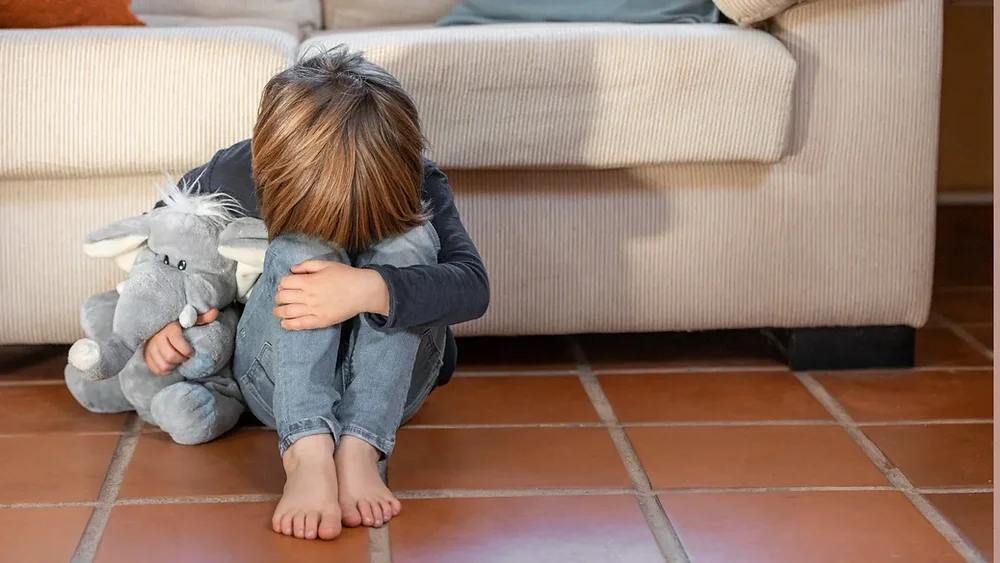
"Licensed counselor Riana Milne's top 10 childhood traumas — from household addiction to sibling comparison — and why recognizing the "little" traumas is the first step toward healing."
Childhood trauma is a significant issue that affects individuals in various ways. Whether it is recognized or not, trauma can have a profound impact on one's life, relationships, and overall well-being. In this blog, we will explore the different types of childhood trauma, how they manifest in adulthood, and the importance of healing and overcoming these traumas. Our expert Riana Milne on today's episode of the Let's Go Win podcast, has over 24 years of experience as a licensed mental health counselor and will provide valuable insights and solutions for dealing with childhood trauma.
Recognizing trauma in one's life can be a complex process, as not all traumas are easily identifiable. Many people associate trauma with major events such as car crashes, assaults, or abuse. However, most individuals are impacted by "little" traumas, which may include experiences like ongoing bullying, feelings of inadequacy, or constant comparison to others. These traumas often manifest as anxiety, stress, depression, addiction, and a lack of joy in life. It is essential to understand that trauma can come in various forms and affect individuals in different ways.
Riana Milne has identified the top 10 childhood traumas that commonly impact individuals: addictions in the household, including drug and alcohol abuse, sex addiction, gambling, hoarding, and other addictive behaviors within the family; verbal messaging, the absence of positive and loving words, compliments, and encouragement in childhood, which can have a lasting impact on self-esteem and self-worth; emotional abuse or neglect, including insults, put-downs, and constant criticism, which can lead to lasting emotional scars; physical abuse, such as hitting, rape, or molestation, which can cause significant trauma and affect individuals in profound ways; abandonment, both fault and no-fault, including parental deaths, divorce, or lack of parental involvement, which can leave individuals feeling abandoned and struggling with attachment issues; living at a friend's or relative's house, being unable to live with one's parents due to their inability to care for the individual, which can lead to feelings of instability and insecurity; foster care or adoption, growing up in the foster care system or being adopted, which can result in a range of complex traumas and attachment issues; personal trauma, such as bullying, never feeling good enough, or being racially or culturally different, which can significantly impact one's self-esteem and sense of belonging; sibling issues, being compared to a favored sibling or experiencing bullying or neglect from a sibling, which can lead to lasting emotional distress and strained relationships; and mental health issues in parents, growing up with parents who have anxiety, depression, or borderline personality disorder, which can greatly impact a child's emotional well-being and ability to form healthy relationships.
Childhood trauma has far-reaching effects that can persist into adulthood. Individuals who have experienced trauma may struggle with forming and maintaining healthy relationships, experiencing joy, and finding fulfillment in various aspects of life. Childhood trauma can also lead to addictive behaviors, workaholism, anxiety, depression, and a lack of self-esteem. It is crucial to recognize these impacts and seek healing to break free from the cycle of trauma.
Healing childhood trauma is a journey that requires commitment and self-reflection. Recognizing and understanding one's traumas is the first step towards healing. It is important to acknowledge that trauma is not the individual's fault and that they are not alone in their experiences. Healing often involves therapy, counseling, and self-help resources. By addressing childhood traumas, individuals can create healthier relationships, find fulfillment, and live their best lives.
Childhood trauma is a pervasive issue that affects individuals in various ways. Recognizing the traumas experienced during childhood is essential for healing and overcoming their impact on our lives. By understanding the different types of childhood trauma and their effects, we can take steps towards healing and creating a brighter future. Remember, it is never too late to start the healing process and live a life free from the burdens of childhood trauma.
Key Takeaways
- 1
Most people are impacted by "little" traumas (bullying, feelings of inadequacy, comparison) rather than only major events like abuse or accidents.
- 2
Riana Milne's top 10 childhood traumas include household addiction, negative verbal messaging, emotional/physical abuse, abandonment, foster care/adoption, and parental mental health issues.
- 3
Untreated childhood trauma commonly resurfaces in adulthood as anxiety, depression, addiction, workaholism, and low self-esteem.
- 4
Recognizing and naming the trauma is the essential first step — you are not at fault, and you are not alone.
- 5
Healing typically requires therapy, counseling, and consistent self-reflection, not willpower alone.
Ready to stop reading and start winning?
Book a strategy call with JM and get a personalized roadmap for your next level.