
From Boat Refugee to Red Lantern: Pauline Nguyen on Leadership Under Pressure
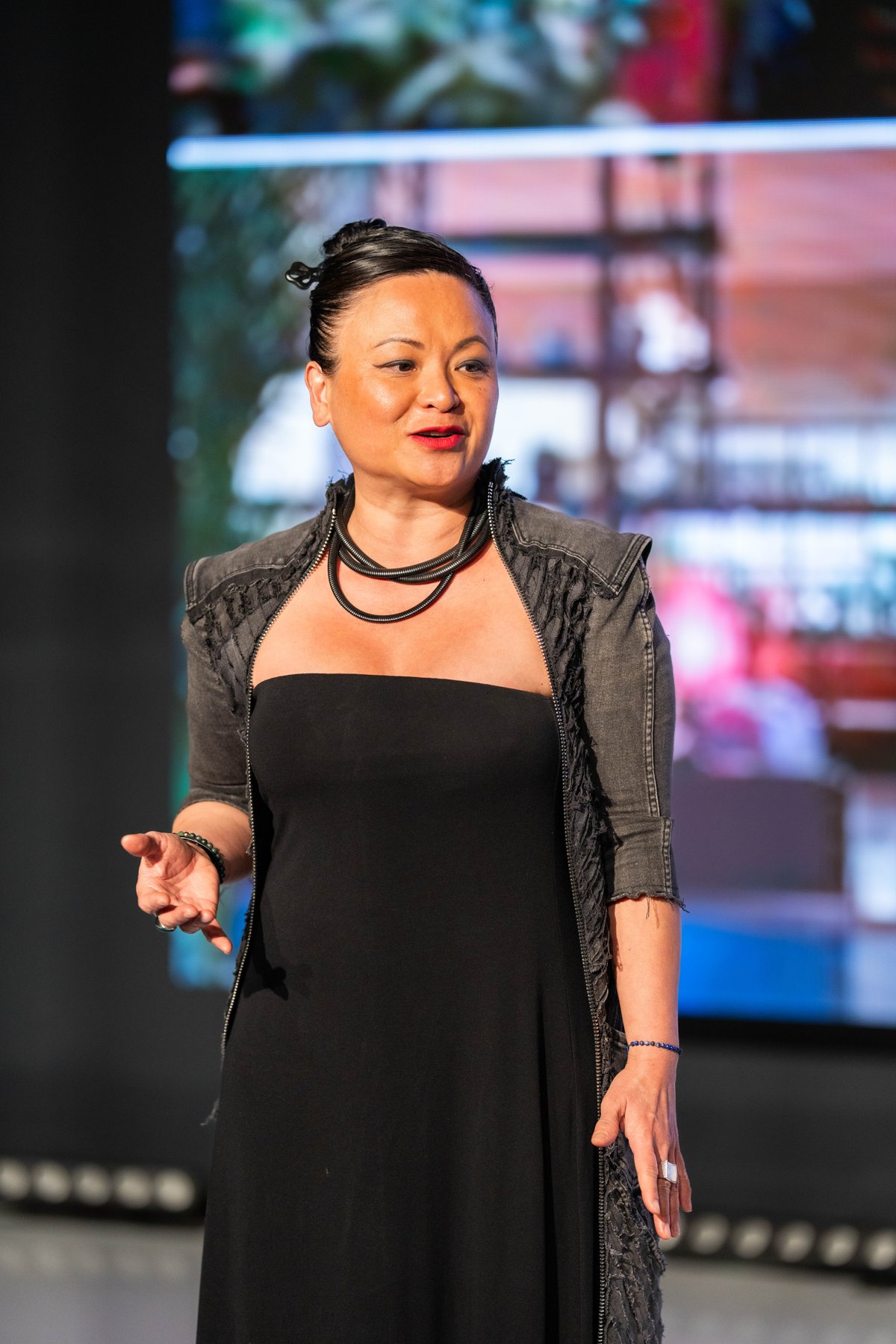
“Looking back, I don’t feel like a victim at all.” Pauline Nguyen escaped Vietnam by boat at three years old, survived a Thai refugee camp, and grew up in a household defined by violence — then went on to build Red Lantern, the most awarded Vietnamese restaurant in the world, and become a bestselling author. She joins JM to talk about what real resilience looks like once the crisis is over and you still have to run a business, a family, and yourself.
Some leaders learn resilience in a boardroom. Pauline Nguyen learned it at sea.
She was three years old when her family fled Vietnam by boat. Nine days adrift, followed by a year in a Thai refugee camp, followed by a new life in Australia that came with none of the safety it promised. Her father, a former lieutenant carrying undiagnosed trauma from the war, ran the household the only way he knew how — through fear. Pauline has spent decades since turning that inheritance into something usable instead of something that controlled her.
In this episode of Let’s Go Win, JM Ryerson sits down with Pauline Nguyen — entrepreneur, bestselling author of Secrets of the Red Lantern, and co-owner of Red Lantern, the most awarded Vietnamese restaurant in the world — to talk about what actually happens after the crisis ends. Not the survival story itself, but the harder, longer work of building an identity, a business, and a life on top of it.
Pauline is direct about one thing: she doesn’t do “victim.” Not because the pain wasn’t real — her memoir doesn’t flinch from any of it — but because she made an early decision to treat her upbringing as training rather than damage. That reframe is the thread running through everything she’s built since: a restaurant empire, a bestselling book, and now a body of work helping founders and executives develop the same emotional mastery she had to teach herself out of necessity.
That’s the part of her story JM digs into. It’s easy to admire someone’s comeback from the outside. It’s much harder to sit with the actual mechanics of how a person rebuilds their nervous system, their relationship to fear, and their sense of self while still showing up to run a business every day. Pauline’s answer isn’t spiritual bypassing or “good vibes only.” It’s closer to what elite performers under real pressure — operators, athletes, people who can’t afford to fall apart mid-crisis — actually practice: naming what’s happening in your body, staying honest about it, and choosing your next move anyway.
Cultural identity runs underneath all of it. Pauline grew up straddling two worlds — the household rules she inherited from Vietnam and the country she was being raised in — and much of her adult work has been reconciling the two rather than rejecting either. That tension, she argues, isn’t unique to immigrants or refugees. Every leader is carrying some version of “who I was told to be” against “who I’m actually becoming,” and the ones who do it well learn to question the inherited rules instead of either blindly following or blindly discarding them.
On entrepreneurship, Pauline is refreshingly unsentimental. Building Red Lantern into the most decorated Vietnamese restaurant on the planet wasn’t a straight line, and she’s spent 25 years since as a working CEO and advisor to hundreds of founders and executives precisely because the operational side of success — retention, culture, leadership, staying regulated under pressure — is the part nobody teaches. Talent gets a business started. It rarely gets it scaled, and it never makes the person running it feel safe.
That’s the real reinvention story here. Not “refugee becomes restaurateur” — as remarkable as that is — but the ongoing reinvention of someone who keeps choosing to lead from clarity instead of fear, long after the original crisis is over. As Pauline puts it in her own work: if you can master your own thoughts, behaviors, and emotions, you can better practice the art of influence over everyone around you. That’s not a motivational slogan. For her, it was survival first, and leadership second.
Key Takeaways
- 1
Resilience isn’t a single event — it’s a skill you keep re-practicing long after the crisis ends.
- 2
Reframing your history as “training” instead of “trauma” changes what you’re able to build from it.
- 3
Cultural identity tension isn’t a weakness to resolve once — it’s an ongoing negotiation every leader carries in some form.
- 4
Talent starts a business. Emotional regulation and leadership structure are what actually scale it.
- 5
Real emotional mastery isn’t about suppressing feeling — it’s about staying honest about what’s happening internally and choosing your next move anyway.
- 6
The people who look the calmest under pressure usually did the most work to get there.
Ready to stop reading and start winning?
Book a strategy call with JM and get a personalized roadmap for your next level.